
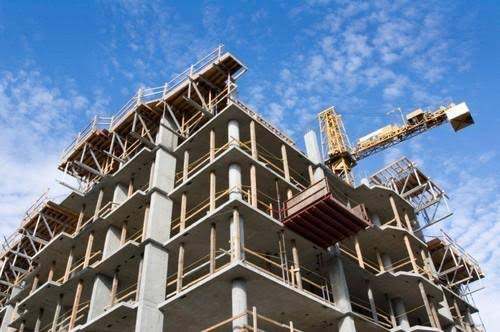
Starting a construction project—whether residential, commercial, or industrial—is a major investment that requires careful planning and the right expertise. Many projects experience delays, unexpected costs, or structural issues because critical factors were not properly considered at the beginning.
At every stage of construction, proper planning and working with experienced professionals can make the difference between a successful project and a costly mistake. Here are five key factors you should consider before starting your construction project.
1. Proper Planning and Design
A successful construction project always begins with a solid plan. Before any building work starts, it is important to have a clear architectural design, structural plan, and project scope.
Working with professional architects and engineers ensures that your building design meets safety standards, functionality requirements, and aesthetic expectations. Proper planning also helps prevent costly changes during construction.
2. Budget and Cost Management
Budgeting is one of the most critical aspects of any construction project. Without a realistic budget, projects can quickly run into financial difficulties.
Your budget should include:
-
Construction materials
-
Labor costs
-
Permits and approvals
-
Equipment and logistics
-
Contingency funds for unexpected expenses
Partnering with a reliable construction company helps you manage costs effectively while maintaining quality standards.
3. Choosing the Right Construction Company
The success of your project depends heavily on the construction company you choose. An experienced construction firm brings technical expertise, project management skills, and reliable workforce to ensure the project is completed on time and within budget.
When selecting a construction company, consider:
-
Their previous projects
-
Industry experience
-
Client reviews and reputation
-
Safety standards
-
Quality of materials used
4. Quality Materials and Workmanship
The durability and safety of any structure depend on the quality of materials used and the workmanship applied during construction.
Using high-quality materials may cost more initially, but it significantly reduces long-term maintenance costs and increases the lifespan of the building. Skilled professionals also ensure that construction meets industry standards and structural requirements.
5. Compliance with Building Regulations
Every construction project must comply with local building regulations and safety standards. These regulations ensure that buildings are structurally sound, safe for occupants, and environmentally compliant.
Obtaining the necessary permits and approvals before construction begins prevents legal issues and unnecessary delays during the project.
Conclusion
A successful construction project requires careful planning, professional expertise, and attention to detail. By considering these key factors and working with a trusted construction company, you can ensure that your project is completed efficiently, safely, and to the highest standards.